
ALL GOVERNMENT AGENCIES TO PAY THEIR OWN ELECTRICITY BILL-JOHN JINAPOR
GOVERNMENT AGENCIES TO PAY THEIR OWN ELECTRICITY BILL

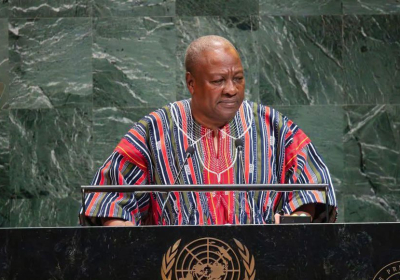
Ghana's Minister for Energy and Green Transition, John Jinapor, has announced a new directive requiring all Ministries, Departments, and Agencies (MDAs) to take financial responsibility for their electricity consumption. Under this policy, MDAs must make provisions in their annual budgets to cover their power bills.
This decision is part of the government's broader strategy to address financial challenges within the energy sector. The directive covers all government institutions, including essential services such as the health and education sectors, security agencies, and even the presidency.
However, the policy includes certain exemptions. In the health sector, critical areas such as laboratories, surgical theatres, and hospital wards will not be affected. Similarly, in the education sector, only lecture halls will be exempted—student dormitories, canteens, and other facilities will still be required to pay for electricity.
Minister Jinapor stated that these exemptions and classifications have been presented to Parliament for approval and will be publicly disclosed once endorsed.
The minister revealed that the energy sector is facing significant financial strain, with the Ministry currently seeking GH₵1.1 billion to procure liquid fuel for power generation. Current reserves are reportedly only sufficient for 2.6 days, underscoring the urgency of the situation.
In addition to the new billing policy for MDAs, Jinapor expressed serious concern over illegal electricity connections and widespread non-payment of bills, particularly in the Northern Region. During a working visit to the Northern Electricity Distribution Company (NEDCo) in Tamale, he emphasized the need for stricter enforcement and accountability to protect the financial health of energy service providers.
Moreover, he disclosed that Ghana Water Limited owes the Electricity Company of Ghana (ECG) approximately GH₵1 billion—a situation he described as unsustainable. This debt adds to the already alarming GH₵80 billion in outstanding liabilities in the energy sector.
To improve efficiency and reduce operational costs, the minister also called for a transition from the use of liquid fuels to gas for electricity generation.
These reforms are part of a comprehensive plan to ensure the long-term sustainability and reliability of Ghana’s energy infrastructure.
Related News